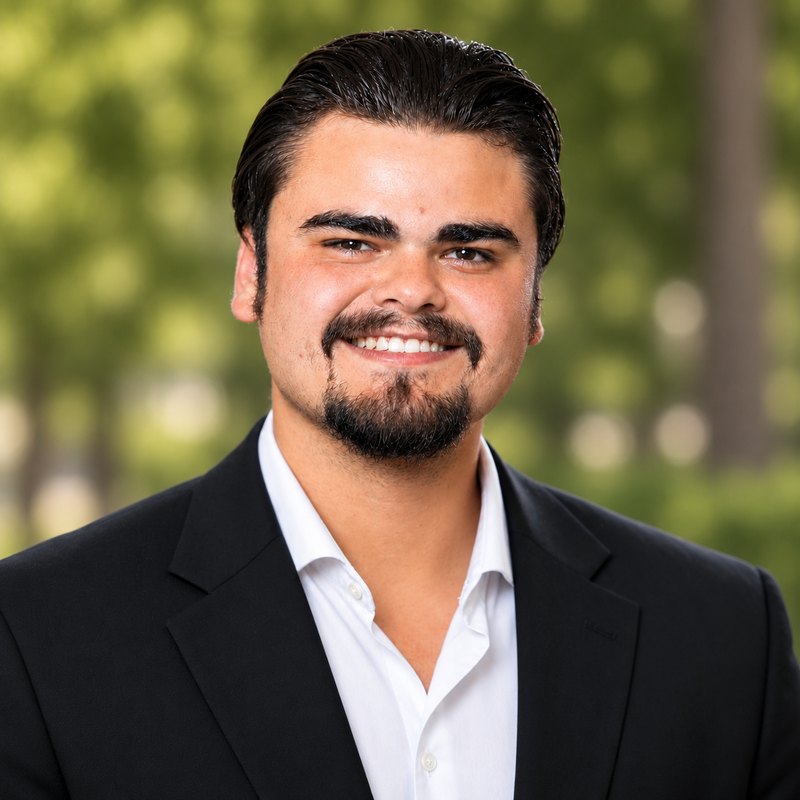
Yuggera Ugarapul man · Magan-djin / Brisbane
Aboriginal health and medical education researcher at the University of Queensland — working from inside the institution on how Aboriginal knowledges reform our health system and the way doctors are taught, formed and held accountable for culturally safe care.
Kyle Andrew Ryan
Aboriginal health & medical education researcher · The University of Queensland
Connect on LinkedIn
What I work on
My work sits where Aboriginal knowledges meet medical education and health system reform — shaping how doctors are taught and assessed, how cultural safety is learned rather than merely declared, and how Aboriginal wellbeing is measured and owned by community.
Embedding Aboriginal knowledges, cultural safety and accreditation standards in how doctors are taught, assessed and accredited — from unit design to national policy.
Yarning, story and relational accountability as both method and teaching practice — and how they form doctors who practise culturally safe care with Aboriginal and Torres Strait Islander people.
Wellbeing measurement, data architecture and research ethics built around community ownership of data and decision-making.
Current roles
At the University of Queensland I am a Senior Research Assistant in the First Nations Cancer and Wellbeing Research Program within the School of Public Health — currently on the NHMRC-funded CanCo prospective First Nations cancer cohort — and I teach as a casual academic into the medical and public-health programs — postgraduate Indigenous Health, and Health, Society and Research in the medical program.
Alongside this I am Systems & Research Coordinator at Yiliyapinya Indigenous Corporation, designing the data governance and measurement framework behind an Aboriginal-led brain-health and healing model for young people, including a community-led randomised controlled trial with the Paul Ramsay Foundation. That practice base is what keeps the research accountable to community, not only to the academy.
A PhD (in development at UQ) on medical education and curriculum development — how relational pedagogies shape professional identity formation in medical training, and what that means for producing doctors who practise culturally safe care with and for Aboriginal and Torres Strait Islander people.
Selected recognition
Awards are held lightly — what matters is the trust of community and young people.
Identity, values, education and the thematic strands that run through the work.
Research and teaching at UQ, national medical-education leadership, governance and youth practice.
PhD direction in medical education, curriculum and policy authorship, measurement work and grants.